



Landscape edging is used to separate lawns, flower beds, gravel, soil and paved surfaces. It helps prevent different materials from spreading or mixing while creating clean and stable landscape boundaries.
Depending on the project, garden edging can form straight lines, curves, circles and irregular shapes. It is widely used in residential gardens, parks, commercial landscapes and rooftop gardens.
Below are the most common applications of landscape edging.
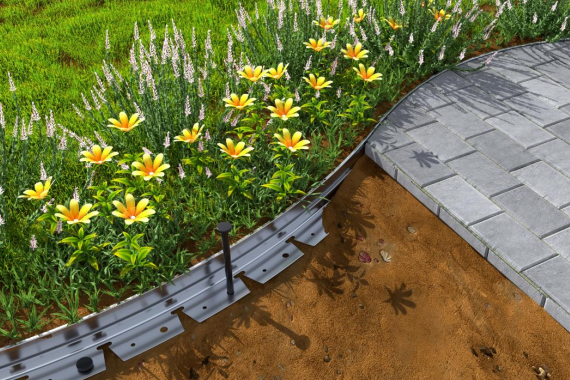
1. Lawn and Flower Bed Separation
Without a clear border, grass roots may spread into planting areas, while soil, bark and mulch can move onto the lawn.
Installing lawn edging creates a neat boundary and helps keep both areas easier to maintain. Flexible edging can also follow curved or irregular flower bed designs.
Typical applications include:Residential gardens,Parks and public green spaces,Hotel landscapes,Commercial planting areas.
Landscape edging keeps lawns and flower beds clearly separated and easier to maintain.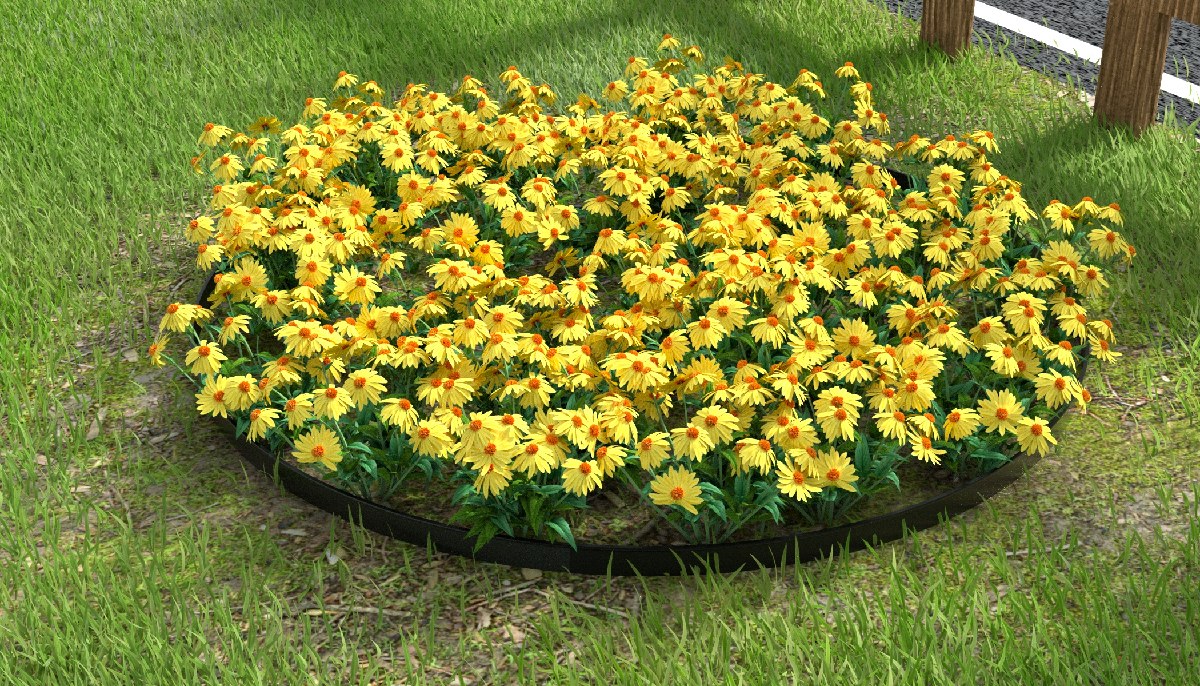
2. Gravel and Lawn Separation
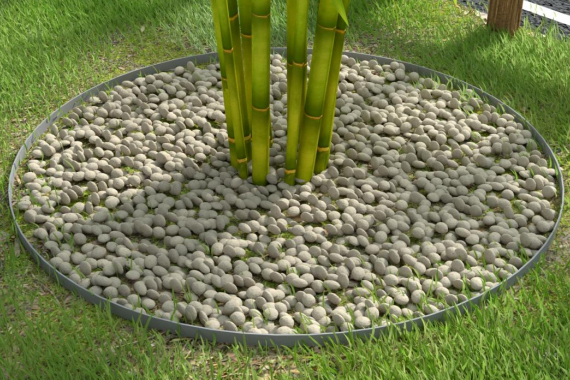
Gravel, pebbles and decorative stones can move into nearby grass or planting areas because of walking, rainwater and maintenance.
Gravel edging keeps loose stones within the planned area and reduces soil contamination. It is suitable for gravel paths, dry gardens, drainage strips and decorative stone zones.
It can also separate different colors or sizes of gravel, helping preserve the original landscape pattern.
Landscape edging prevents gravel from spreading and keeps decorative areas well defined.
3. Lawn, Gravel and Paving Transitions
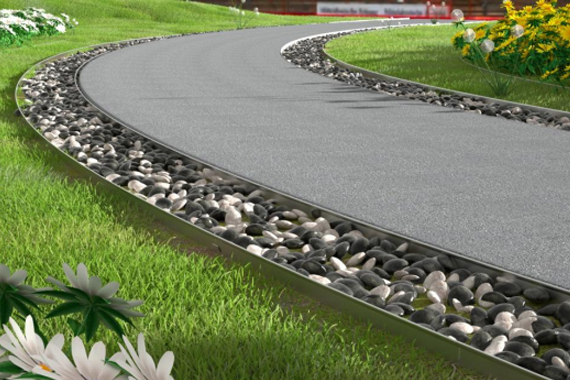
Landscape edging can be installed between lawns, gravel and paved surfaces such as bricks, tiles, stone or concrete.
It creates a clean transition between different materials and can provide additional support along the paving edge.
Common applications include: Garden paths, Patios and courtyards,Stone or brick paving, Parking area borders, Building perimeter gravel strips
Paving edging creates a cleaner transition and helps reduce movement along the surface edge
4. Tree Surrounds and Decorative Garden Shapes
Flexible garden edging can be shaped into curves, circles, waves and other landscape designs.
It is commonly used for: Circular tree surrounds,Curved flower beds, Wavy lawn borders,Geometric gravel patterns,Irregular planting areas
Besides separating materials, edging helps landscape designers maintain the intended shape of each area.
Flexible edging is suitable for both practical separation and decorative landscape design
5. Rooftop Gardens and Commercial Landscapes
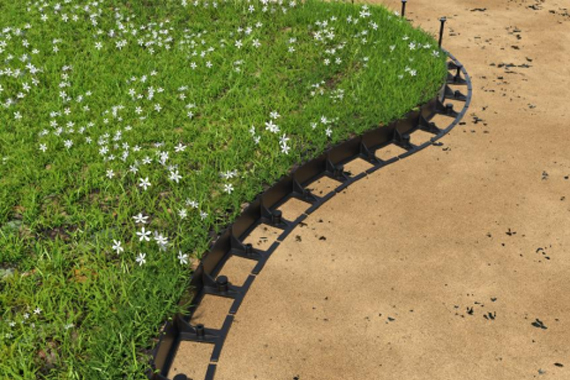
Rooftop gardens and commercial outdoor areas often combine planting zones, gravel, pathways and paved surfaces within the same project.
Lightweight landscape edging can divide these areas without adding excessive structural weight. It is commonly used in rooftop gardens, hotels, office buildings, shopping centers and public spaces.
For rooftop projects, the installation method should protect the waterproofing layer and avoid blocking drainage.
Landscape edging helps organize different functional areas in rooftop and commercial projects.
How to Select the Right Landscape Edging
Before selecting landscape edging, consider:
1. Materials that need to be separated
2.Straight or curved boundary design
3.Required edging height
4.Soil, gravel or paving depth
5.Ground conditions
6.Visible or concealed installation
7.Required strength and fixing method
Flexible edging is suitable for lawns, flower beds and curved landscape designs.
For gravel areas, the edging should be high enough to contain the loose material.
For paving applications, stronger edging and secure fixing are recommended to resist lateral movement.
Moonbay Technical Recommendation
Landscape edging should be selected according to the application rather than appearance alone.
For garden and lawn borders, flexibility and easy shaping are important. For gravel and paving areas, edging height, strength and fixing stability should receive more attention.
By confirming the materials, boundary shape and installation conditions, Moonbay can recommend a suitable landscape edging solution for garden contractors, landscape designers and construction projects.


Mobile/WhatsApp:+ 86 176 8231 3725
ADD:Room B205, Cross-Border E-Commerce Comprehensive Pilot Area, No. 776 Jianshe 1st Road, Xiaoshan District, Hangzhou Zhejiang, China




Copyright: Hangzhou Moonbay Industrial Co., Ltd. @ 2021 record Technical support: xuanmeng network
 Home
Home